Fomite transmission of Mycobacterium abscessus between severely disabled patients (Nakaura Lab, in Clin. Microbiol. Infect.)
Yoshida and Nakamura et al. investigated a nosocomial outbreak of Mycobacterium abscessus subsp. massiliense (MAM) in a hospital in Osaka, Japan, combining genomic analysis with environmental surveillance to identify its transmission route.
The outbreak began in 2020 with two patients with severe disabilities and eventually involved a total of seven patients. Over a 34-month period, the study was divided into three phases separated by two infection control interventions. While new cases emerged during the early phases, no additional patients were identified after the second intervention.
Comprehensive screening of 294 clinical and environmental samples revealed widespread environmental contamination. MAM was isolated not only from patients but also from frequently handled items such as care gloves, medical devices, and room equipment.
Whole-genome sequencing of 52 isolates demonstrated that clinical and environmental strains were highly similar, differing by only a small number of single-nucleotide variants (SNVs). Notably, isolates from a medical wagon showed the closest genetic relationship to strains from a persistently positive patient, suggesting a central role in transmission. Genomic clustering analysis further indicated that this wagon-associated strain acted as a hub linking multiple transmission clusters.
Key Finding
This study provides genomic evidence that M. abscessus can persist on dry environmental surfaces and be indirectly transmitted via fomites in healthcare settings.
This article was published in Clinical Microbiology and Infection on March 10, 2026.
Title: Fomite transmission of Mycobacterium abscessus between severely disabled patients
Links
-
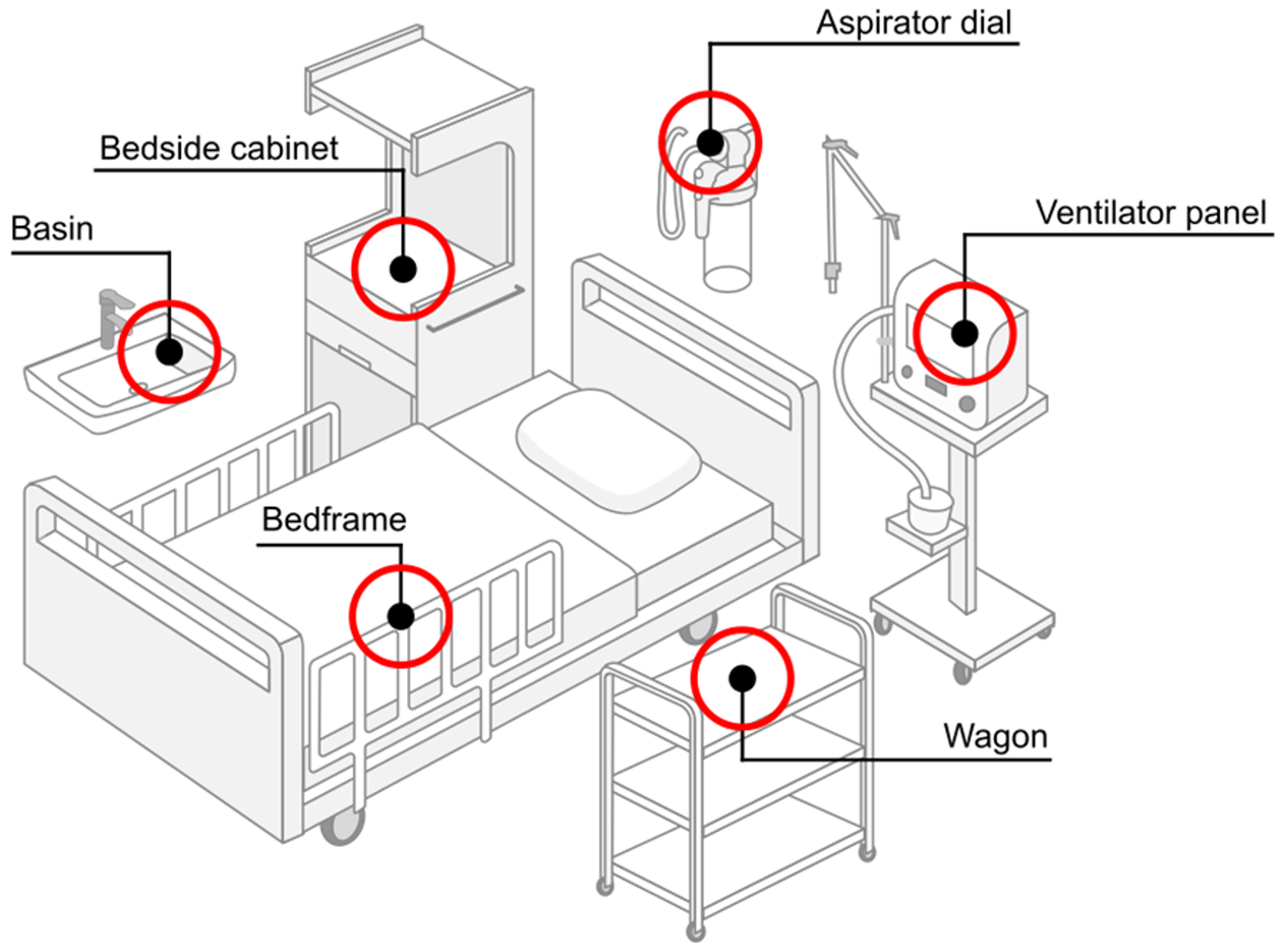
Figure 1. Results of environmental screening within the facility
M. avium subsp. hominissuis (MAM) was isolated from dry environmental surfaces, including bed rails, suction device dials, medical monitors, and medical carts.
- Home
- Achievement
- Research Activities
- Fomite transmission of Mycobacterium abscessus between severely disabled patients (Nakaura Lab, in Clin. Microbiol. Infect.)