To study microbial diseases, it is important to analyze the interactions between the host and pathogenic organisms. Animal models are indispensable in current microbiological and immunological research, particularly since through the use of molecular biology and biotechnology, we can generate gene-manipulated mice that can aid our understanding of the mechanisms of infection. For these purposes, experimentally infected animals should be managed in a suitable, safe and controlled manner. Animal Resource Center for Infectious Diseases is a unique facility that was established in 1967 to meet these requirements. The center is separated into three areas: one for animal experiment for microbial disease model (BSL2 and BSL3), an SPF area. The section for animal experiment for disease model is completely air-conditioned and maintained at a negative air pressure to minimize the risk of contamination. Each sub-area has an individual pass-through type autoclave to sterilize all materials before their removal. The exhaust air is filtered to avoid exterior dissemination of pathogenic microbes. These measures ensure that disease model animals can be handled safely without accidental cross-contamination.
Before gaining access to this restricted facility, researchers must take an official orientation and submit a research plan for committee review. The condition of the animals is regularly inspected.
Services such as the generation of gene-manipulated animals, in vitro fertilization, and cryopreservation of mouse strains are available at our facility. (Table 1)
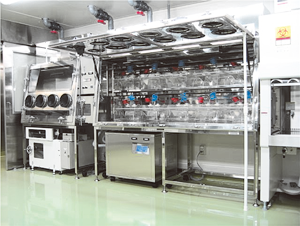
Figure 1: Biosafety level 3 room (Building A)
The room for disease model animal and experimentation at biosafety level 3. Hemorrhageic fever with renal syndrome-causing virus (HFRSV) was isolated in this area. In addition, animal experiments for Creutzfeldt-Jakob Disease (CJD), severe acute respiratory syndrome (SARS) and Acquired Immune Deficiency Syndrome (AIDS) can be handled in this facility.